Thai Food in Bangkok: A Practical Guide for Hungry Travelers
7 min read
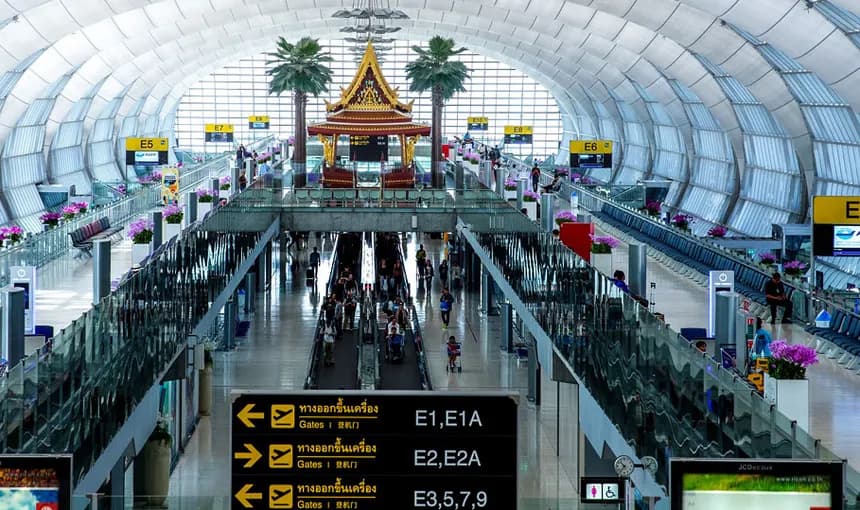
If you are landing at Suvarnabhumi (BKK) with an empty stomach and a long list of dishes you have only seen on social media, you are in the right country. Thai food is not one cuisine. It is a whole ecosystem of soups, salads, curries, stir-fries, grilled meats, noodles, and sweets that change by region, by stall, and even by the mood of the cook that day.
This guide is for people who want to eat boldly in Bangkok without turning the trip into a guessing game. We will talk about what makes the flavors work, how to navigate street food safely, and how a smooth arrival sets you up to enjoy the first meal instead of recovering from the first hour.
Thai cooking is built on contrast. A single plate might be spicy from chilies, sour from lime or tamarind, sweet from palm sugar, and salty from fish sauce, all at once. That balance is why a simple papaya salad can taste electric, and why a mild coconut curry still feels complex.
Regional differences matter more than many travelers expect.
You do not need a food degree to enjoy it. You just need curiosity and a willingness to order one more dish than you think you need, then share it.
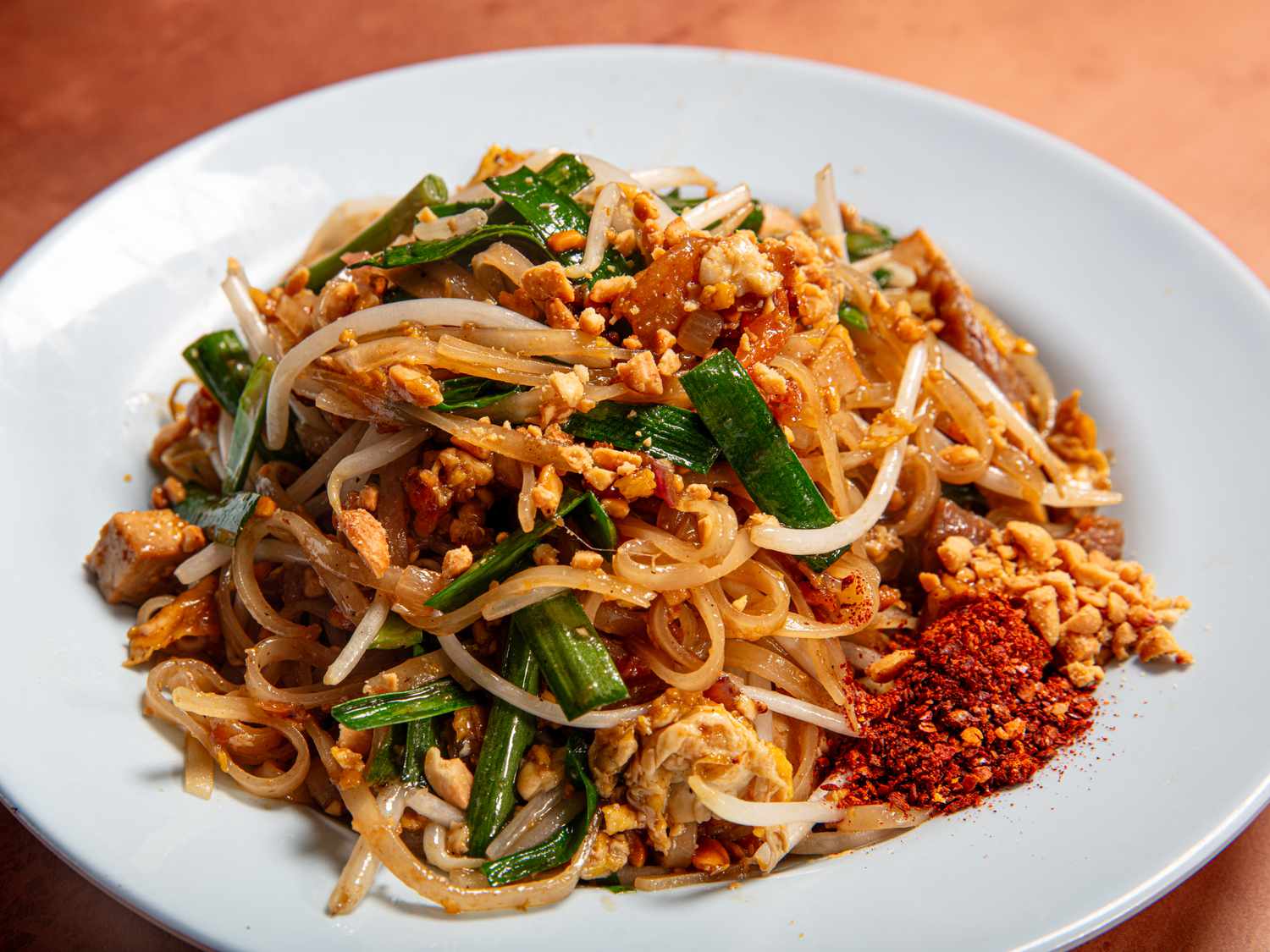
Bangkok street food is famous for a reason. Pavement carts and shophouse kitchens turn out pad kra pao (holy basil stir-fry), grilled pork neck, boat noodles, mango sticky rice, and coconut pancakes with speed that would make a fine-dining brigade blush.
Night markets are half dinner, half theater. You will smell fish sauce caramelizing, hear woks clanging, and watch locals queue for the one stall that everyone agrees is the best on that block this month.
Mall food courts deserve respect too. They are air-conditioned, affordable, and often excellent. If you want a gentle first meal after a long flight, a basement court near your hotel can be the perfect bridge between airplane food and full-on curbside adventure.
You cannot eat everything. If your time in Thailand is limited, these categories cover a lot of ground without repeating the same flavor profile.
Noodle soups range from boat noodles with dark broth and pork blood (optional) to yen ta fo with pink tofu sauce and seafood. Order "mai ped" (not spicy) if you want the kitchen to tone down chilies, but remember that some broths are naturally punchy.
Curries are not all red, green, and yellow. Massaman is milder, nutty, and great with beef. Southern gaeng som can be shockingly sour and hot. If you love coconut richness, gaeng keow wan (green curry) with chicken or fish balls is a classic comfort order.
Salads go far beyond som tam. Yum woon sen is a glass noodle salad with lime and herbs. Laab, especially from Isaan-influenced vendors, can be fiery and deeply savory. Always ask about spice level if you are sensitive.
Grilled and fried snacks make excellent walking food. Sai krok Isaan sausages, moo ping skewers, and fish cakes with cucumber relish are easy to share.
Desserts are often coconut-based, floral, or chewy-chewy in the best way. Mango sticky rice is the superstar, but try tub tim grob (crunchy water chestnuts in coconut milk) or khanom bueang crepes if you see them.
Thai hospitality is real, and most cooks are happy to adjust heat. "Ped nid noi" means a little spicy. "Mai ped" means not spicy. "Ped mak" means very spicy, which you should only say if you mean it.
Fish sauce, shrimp paste, and peanuts hide in many dishes. If you have allergies, learn the Thai words for your triggers or show a translated card. Peanut sauce is not on everything, but cross-contact is possible at busy stalls.
Vegetarian travelers should know that "jay" vegetarian food follows Chinese-Buddhist traditions and avoids strong aromatics like garlic and onion in many places, which is different from Western vegan expectations. Tofu-heavy stir-fries exist everywhere, but always confirm shrimp paste and fish sauce if you need strictly plant-based food.
Millions of people eat street food daily in Thailand without drama. You can tilt the odds in your favor with a few habits.
Choose stalls with steady local traffic. High turnover usually means ingredients move fast and recipes stay sharp. Hot food should arrive hot. If something looks like it has been sitting in the sun for hours, skip it.
Ice in cities is generally fine at established vendors, but if your stomach is sensitive, drink sealed bottled water and skip ice for the first day.
Wash hands before eating. Many stalls offer wipes or you can carry your own. Wet markets are incredible for photos and snacks, but they are also wet. A small bottle of sanitizer helps.
Thai iced tea is sweet, creamy, and iconic. Cha manao is lime tea, brighter and less heavy. Fresh coconut water from a hacked-open nut is nature's sports drink after walking Sukhumvit in the afternoon.
If you drink alcohol, local beer is crisp with spicy food. Some cocktail bars reinterpret Thai herbs in fascinating ways, but save that for after you understand your spice tolerance.
The honest truth is that immigration queues can eat your evening. If you arrive tired, hungry, and facing a long wait in the hall, your first meal might default to whatever is nearest the hotel vending machine.
Fast Track at Suvarnabhumi is about buying back time and calm. Less time in line means you can shower, drop bags, and still make that 7 p.m. market crawl. It also means you are less likely to make rushed food choices you regret, like ordering "Thai spicy" when your body wanted mild soup.
Bangkok rewards travelers who arrive with enough energy to read a menu, smile at the auntie running the wok, and point at something delicious two tables over. That energy starts at the airport.
If you have a long weekend, rotate textures and intensities so your palate does not burn out.
Day one: Sit-down dinner or food court intro. One noodle soup, one stir-fry, one vegetable dish. Mango sticky rice if you still have room.
Day two: Street food crawl in one neighborhood. Pick a single district, walk in a loop, and share small plates.
Day three: Something regional you have not tried yet, maybe Isaan-style grilled chicken with spicy dips, or a southern curry if you can find a specialist restaurant.
Thai dining culture values sharing. Ordering family-style is normal. Finish rice on your plate if you can, since rice has cultural weight. The fork pushes food onto the spoon in the common local style, but tourists are not graded on technique.
Say "khop khun khrap" or "khop khun kha" with a smile when you leave. Effort counts more than perfect pronunciation.
Thai food in Thailand will recalibrate your standards for sourness, sweetness, and heat. You will find Bangkok generous with flavor and options, from Michelin-listed venues to plastic-stool legends on quiet sois.
Plan a little, stay flexible, and protect your first hours on the ground. When BKK goes smoothly, your reward is not just a shorter walk to baggage. It is the confidence to take that first bite while the city still has a whole night ahead of you.
Pro tip: screenshot the Thai name of your hotel and a photo of the entrance. After a long food crawl, it is easier to show a driver than to pronounce a soi name perfectly.
FastTrack BKK now takes Visa, Mastercard, Apple Pay, Google Pay, Alipay, and EU bank apps in euro, plus PayPal, bank transfer, and crypto. Here is how checkout works for Suvarnabhumi Fast Track.
Thai immigration may ask foreign visitors to show proof of funds. TAT restated the long-standing 10,000-20,000 baht rules in July 2026. Here is what to keep ready at BKK.
Thailand ends the 60-day visa exemption on 15 September 2026. See who gets 30-day or 15-day entry, land-border limits, Visa on Arrival, and how to plan mobile data for your trip.