BKK Immigration Wait Times by Time of Day and Season
9 min read
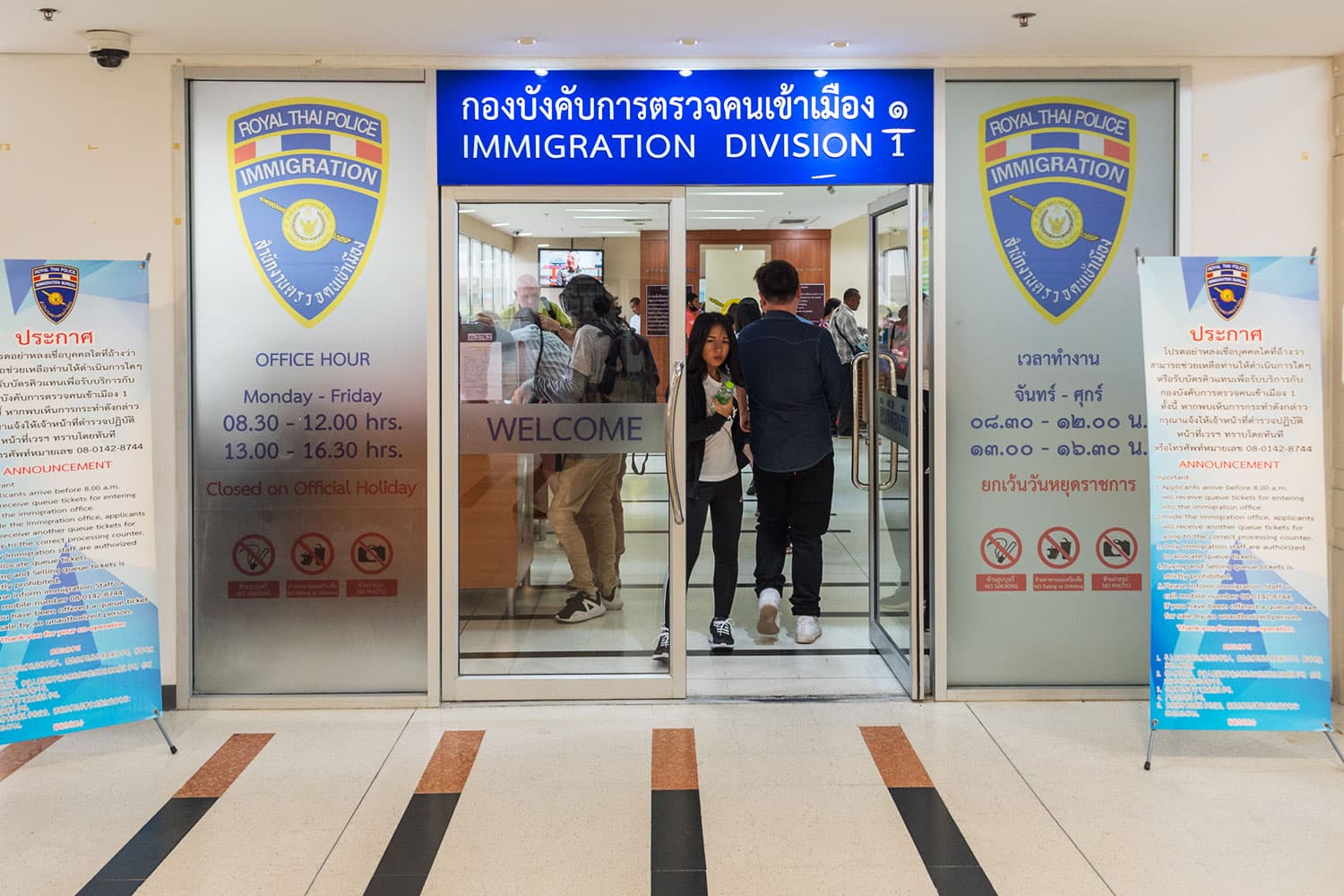
If you have ever stood in a Suvarnabhumi (BKK) immigration hall watching the snaking line and quietly doing math on your connection, you already know the truth: wait times are not random, but they are also not printed on your boarding pass. Bangkok is one of the world's busiest hubs, and immigration throughput changes with flight banks, holidays, staffing, and even which counters are open that hour.
This article explains the patterns travelers and airport staff see most often. Treat every minute estimate as a range, not a promise. Airports change procedures, airlines shift schedules, and one delayed wide-body can reshape the next hour for everyone behind it.
Suvarnabhumi processes huge volumes of long-haul arrivals alongside dense regional traffic from Southeast Asia, East Asia, and the Middle East. The immigration experience depends on more than "how many people flew today."
The sections below describe typical behavior. Always check same-day reports from your airline app, airport social channels, or travel forums if you are cutting a connection tight.
Bangkok is a long-haul gateway. That means a lot of Europe and Middle East flights aim for early morning touchdown so passengers can connect to domestic beaches, business meetings, or regional hops. In many weeks of the year, this window is the busiest single block for immigration at BKK.
If you must connect to Don Mueang (DMK) for a domestic flight, early-morning immigration congestion is the main reason people miss tight self-transfers.
After the first wave, the hall often eases, then fills again as Asian regional flights cluster before lunch. This period can swing wildly.
If you are not in a rush, midday can still feel hot and crowded because the building is enormous and walking distances are long. Comfortable shoes beat fashion here.
This window often behaves like a second peak. European afternoon departures translate into evening arrivals in Thailand. Add regional flights returning workers and tourists, plus some long-haul from North America, and the hall can look like early morning again.
If you land hungry, remember that clearing immigration is only half the battle. Baggage belts can add ten to thirty minutes when several flights share a carousel.
Late-night arrivals can be either blessedly quick or oddly painful, depending on how many flights land together after curfews or slot patterns at origin airports.
Red-eye passengers should confirm whether their hotel allows very late check-in or holds the room with a credit card guarantee.
Fridays and Sundays are the classic pain points for leisure-heavy routes. Monday mornings can surprise you with business travelers returning to Thailand after regional weekends.
If you can choose flights for a flexible trip, Tuesday or Wednesday arrivals slightly reduce the odds of landing inside the worst banks. If you cannot, focus on buffers and preparation instead.
Thailand high season generally clusters around November through March when weather is drier and international holidays stack. Christmas to New Year, Lunar New Year, and Songkran create predictable surges in arrivals.
Low season months (roughly May to October, with variation) can feel calmer, but summer holidays in the Northern Hemisphere still push family traffic. Never assume "rainy season" means "empty airport."
If you are terminating in Bangkok, a long immigration wait is annoying but rarely catastrophic. If you are connecting to another international flight on a separate ticket, or racing to DMK, immigration risk becomes trip-defining.
International-to-international connections on one protected itinerary still require clearing Thailand in many cases, so always read your ticket rules and ask the airline what minimum connect time they recommend at BKK.
No blog post can guarantee a ten-minute clearance, but you can remove self-inflicted delays.
Also photograph your baggage carousel number while walking. It saves backtracking when the hall is chaotic.
Two passengers on the same flight can experience different immigration wait times based on gate distance, walking speed, and whether they stopped for the restroom before the queue.
This is why online estimates like "immigration takes thirty minutes" are only loosely meaningful without context.
Rain does not usually slow immigration officers, but it can delay flights, which stacks arrivals later and compresses banks. Heat and humidity do not change stamp speed, but they change how miserable the queue feels.
Instead of one magic number, use three scenarios when scheduling pickups or connections.
If your schedule cannot survive the peak scenario, change the flight, add Fast Track, or lengthen the connection. Hope is not a strategy at BKK.
If you want help designing a calmer first step on the ground, you can book priority assistance before you fly.
Immigration wait times at Suvarnabhumi swing with time of day, day of week, season, and flight scheduling luck. Early mornings and many evenings are the usual danger zones. Midweek mid-mornings are often kinder. Major holidays can override all the rules.
The best travel hack is not a secret door. It is accurate expectations, a buffer, and clean paperwork so you never become the person who holds up the line.
Pro tip: screenshot your airline's arrival terminal info and your e-visa or TDAC confirmation before you sleep on the plane. Phone batteries die, airport Wi-Fi hesitates, and the thirty seconds you save at the front of the queue is sometimes the thirty seconds that gets you onto the last train you needed.
FastTrack BKK uses a machine-learning operations engine to track your flight, terminal, and meet window in real time. Your greeter waits in the right place, queues feel shorter, and arrival at Suvarnabhumi stays calm.
Read moreFlying to Bangkok in November? TAT confirmed the city and both airports stayed open after late-September rain. What November high season means for Suvarnabhumi immigration and Fast Track.
Read more
FastTrack BKK now takes Visa, Mastercard, Apple Pay, Google Pay, Alipay, and EU bank apps in euro, plus PayPal, bank transfer, and crypto. Here is how checkout works for Suvarnabhumi Fast Track.
Read more