Leaving Thailand from Suvarnabhumi in 2026: Departure Immigration, Autogates, Overstay Fines, and the New Checked Bag Checks
7 min read
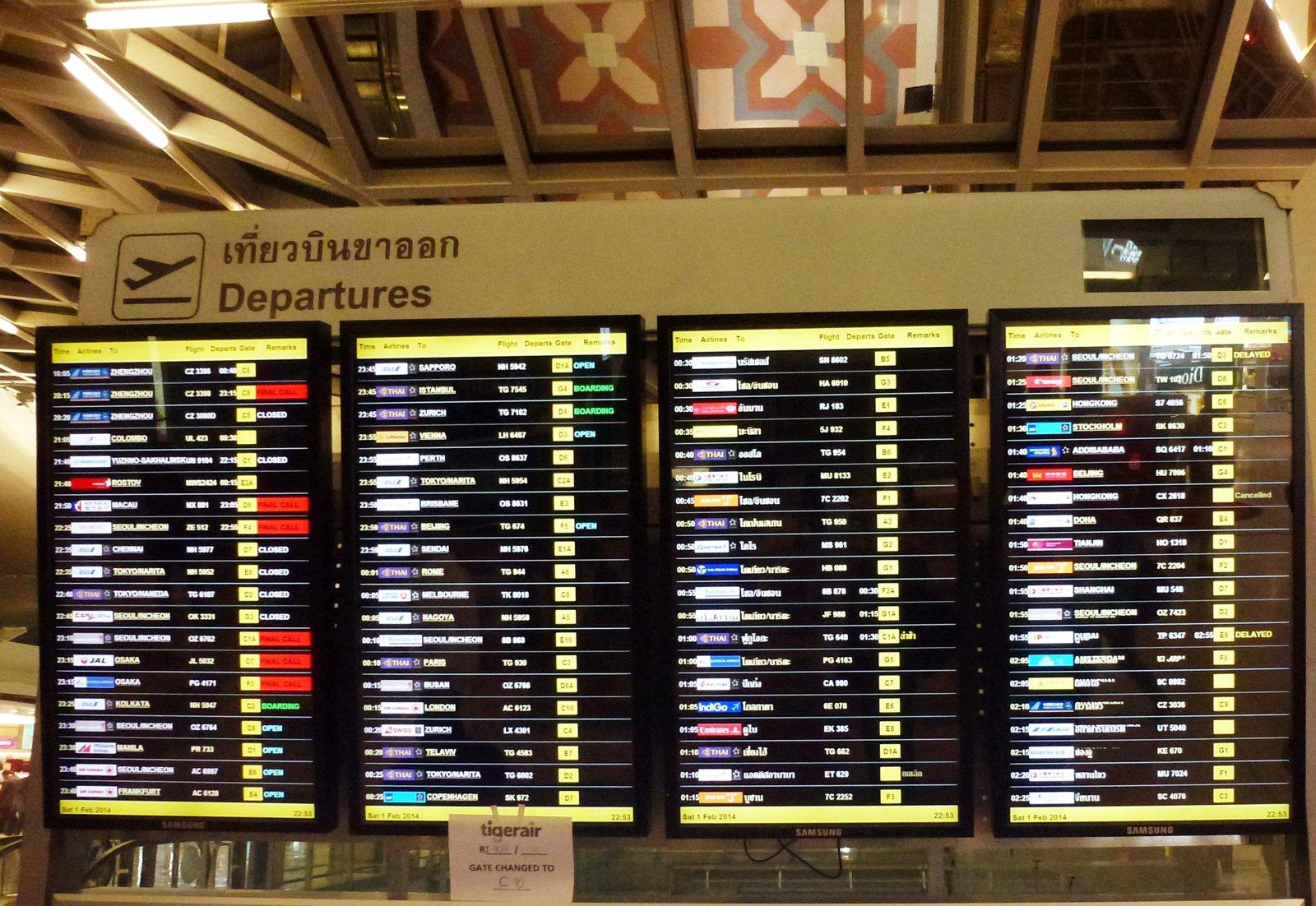
Your bag did not show up on the belt at BKK, or it came out broken? Here is who to talk to, which deadlines matter under Thai law, and where lost property goes at Suvarnabhumi. Source: https://suvarnabhumi.airportthai.co.th/service/facility/detail/1278
Travelling to Bangkok with a wheelchair, a mobility issue, or an older parent? Here is how free wheelchairs, airline assistance, and priority lanes work at Suvarnabhumi, based on official notices. Source: https://suvarnabhumi.airportthai.co.th/service/facility/detail/1294
Do you pay anything extra to enter or leave Thailand through BKK? Here is what is already in your ticket, what is only a proposal, and what is free, explained from official notices. Source: https://www.tatnews.org/2026/05/airports-of-thailand-to-raise-international-passenger-service-charge-from-20-june-2026/
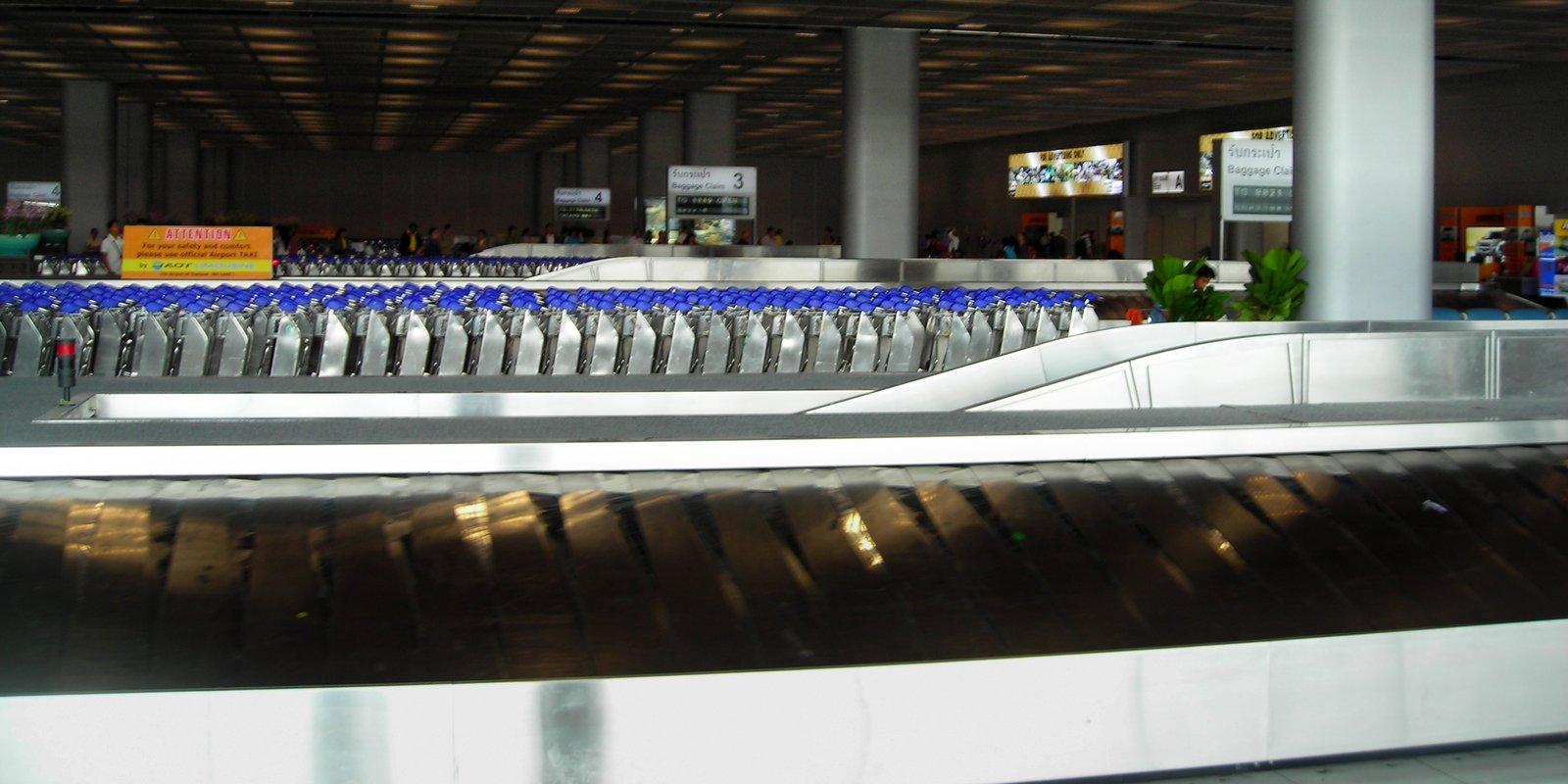
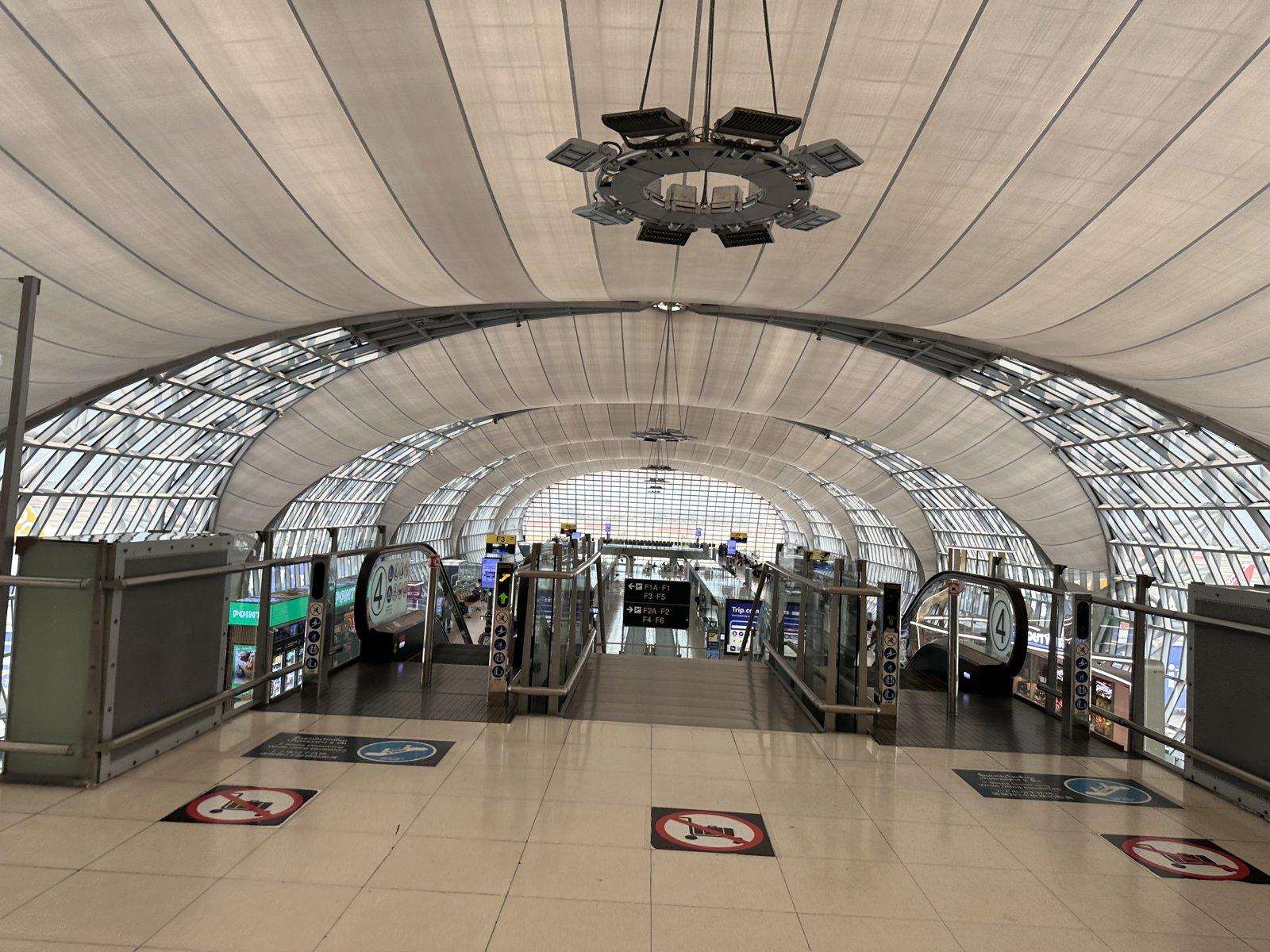
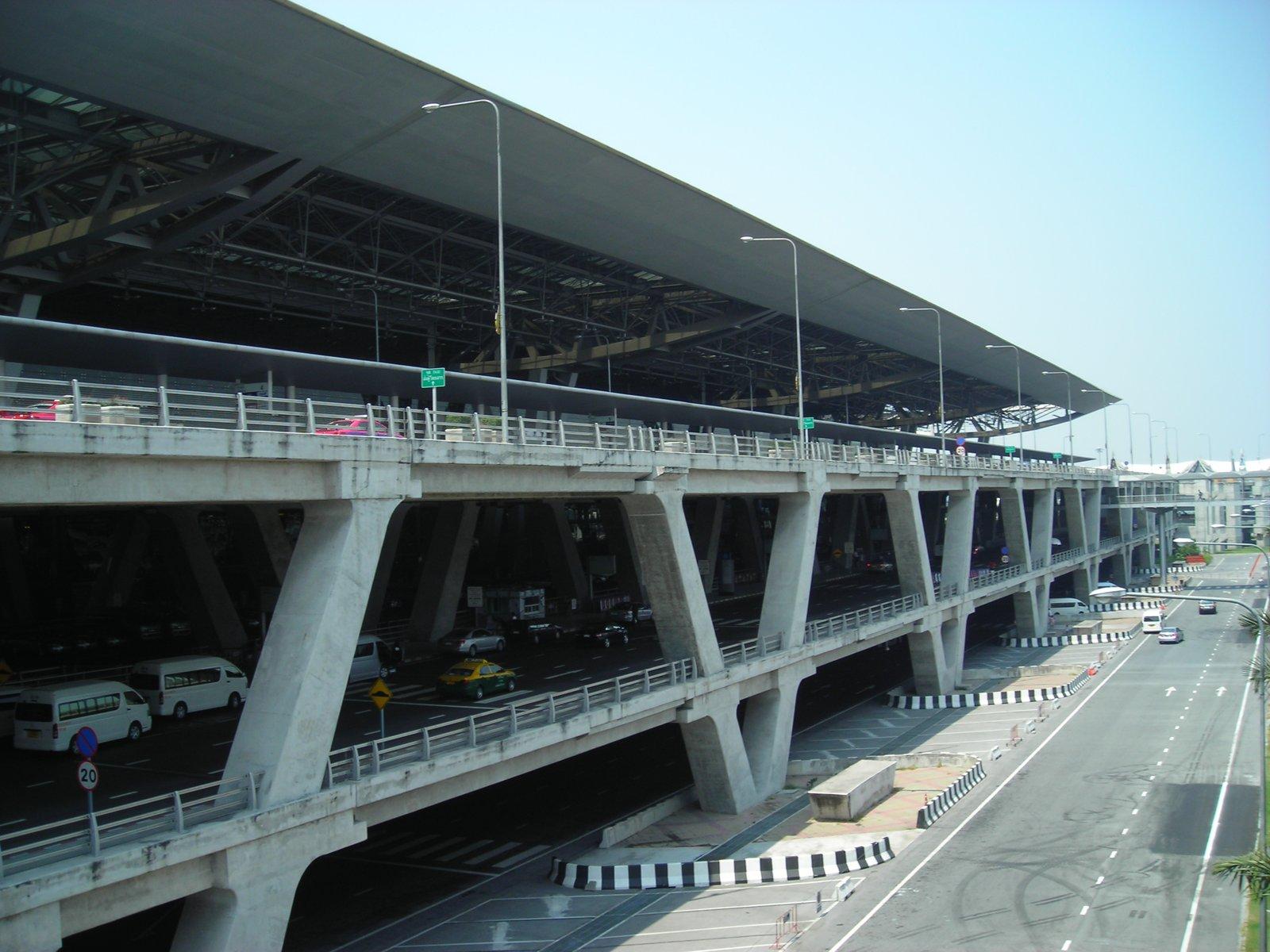
Most guides focus on landing in Bangkok. But the last few hours of a trip matter too. Leaving Thailand from Suvarnabhumi (BKK) means check-in, security, and departure immigration, and in 2026 a few things have changed along the way.
There are more automated passport gates, a new rule on checked baggage inspections since 16 October 2026, and the same strict line on overstays. Here is what the official sources say, in plain language, so your last morning in Thailand stays calm.
Reviewed against the Thai Government Public Relations Department (PRD), the Civil Aviation Authority of Thailand (CAAT), Suvarnabhumi Airport (AOT), the Thailand.go.th government portal, the Royal Thai Embassy in Canberra, and Japan Airlines' Suvarnabhumi airport guide as of 16 November 2026. Rules can change, so always confirm with your airline and the officials.
Japan Airlines' Suvarnabhumi guide (updated 26 October 2026) describes the route most international passengers follow:
Always check your own airline's check-in times. JAL lists different opening windows for each of its flights, and other airlines set their own deadlines.
This is the big change for 2026. According to the PRD, Immigration Bureau Order No. 196/2569, dated 24 August 2026, expanded the Automated Border Control (ABC) system from 2 to 33 countries and territories, effective September 2026.
The PRD lists the eligible places as South Korea, Singapore, Japan, Hong Kong, Malaysia, the United Arab Emirates, Australia, New Zealand, Canada, and 24 European countries including the UK, Germany, France, Italy, Spain, the Netherlands, Switzerland, Denmark, Finland, Norway, and Sweden. It applies to eligible travellers who entered under visa exemption or with an e-visa, subject to conditions.
The PRD also says Suvarnabhumi now runs 39 automated gates for arrivals and 67 for departures, with the service expanding to Don Mueang and Phuket.
One honest note: AOT's Automatic Channel page describes the departure gates as open to e-Passport holders of all nationalities, while the PRD summary of the newer order lists 33 countries and territories. We could not access the full text of Order No. 196/2569, so we cannot say exactly how the two fit together for every passport. On the day, follow the signs and ask the immigration staff.
Overstaying is the one departure mistake that can follow you home. The Thailand.go.th government portal, citing the Phang Nga immigration checkpoint, explains how it works at the border:
The Royal Thai Embassy in Canberra adds that if you overstay less than 90 days and pay the fine before departure, you will not be banned from entering Thailand on your next visit.
Longer overstays are a different story. According to the government portal, foreigners who surrender themselves after overstaying face an entry ban counted from the day they leave:
If you are arrested and prosecuted instead, the ban is 5 years for an overstay of up to one year, and 10 years for longer.
CAAT announced that from 16 October 2026, airport operators may open and inspect checked baggage if screening finds suspicious items, prohibited articles, or potentially dangerous goods. You do not need to be present.
According to CAAT and the PRD:
CAAT News 28/2569 stresses that this is not a general search of everyone's bags. It only happens when the X-ray shows something that may affect flight safety, and it takes place in a designated area with recorded evidence. If you have a problem or damage, CAAT says you can complain through your airline or at complaint.caat.or.th.
If your departure day is tight, an airport fast-track service can make the terminal feel a lot less hectic, especially with kids or older relatives. And if you are flying on somewhere new, setting up an eSIM before you leave keeps your airline messages coming through when you land.
Leaving should feel as good as arriving. Check your dates, pack smart, and let the Automatic Channel or a quick counter visit be the last small step before your gate at Suvarnabhumi.
Pro tip: take a photo of your passport's entry stamp on day one. When it is time to fly home, you can check your permitted-stay date in seconds.
This guide is general information, not legal or immigration advice. Immigration orders, automated gate eligibility, and airport procedures can change. Confirm with the Thai Immigration Bureau, CAAT, your airline, or Suvarnabhumi Airport (AOT Call Center 1722) before you rely on them.
Cover photo: Pierre André / Wikimedia Commons, CC BY-SA 4.0
